You know all about kale, the dark, hearty green making its way onto every menu and “kale yeah” shirt. It’s so popular yet, somehow, it never makes it into your grocery basket.
Or maybe it does, but you end up watching it die a slow, wilt-y death in your refrigerator. Good news: Your relationship with greens (and not just kale) changes today.
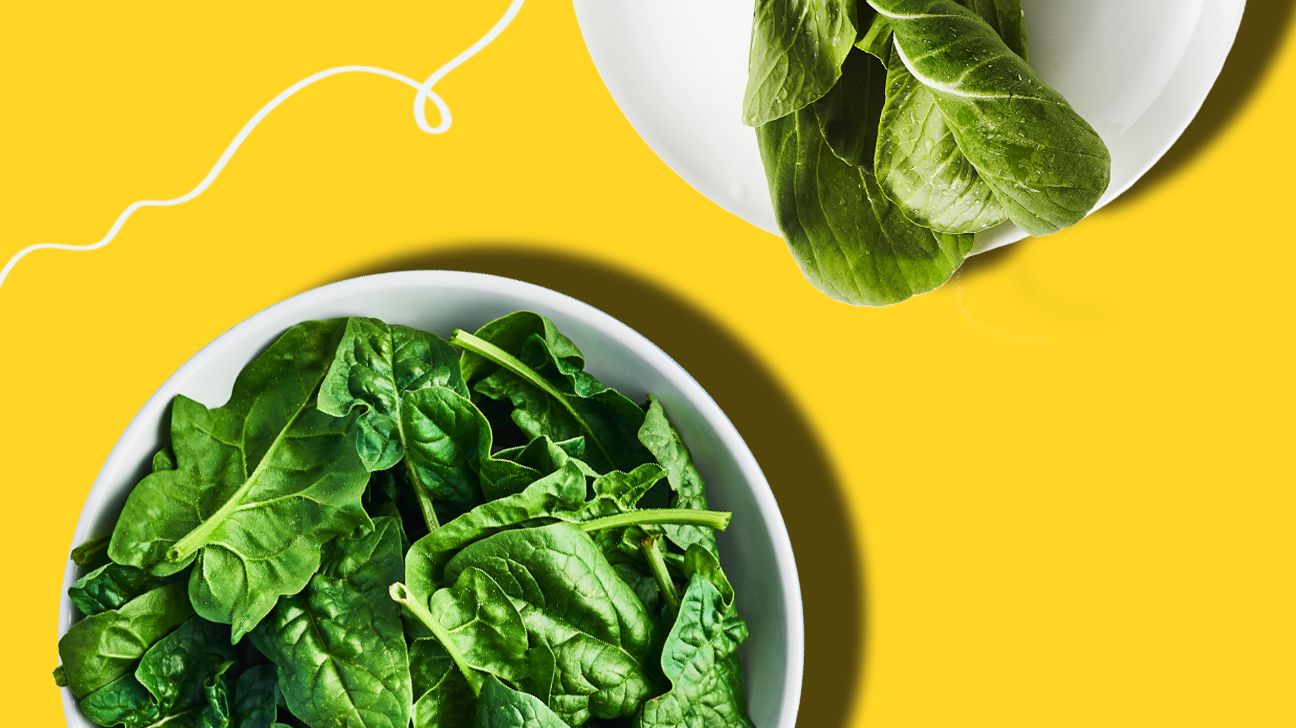
Gone are the days of being overwhelmed in the produce aisle and not knowing what to do with the goods when you get home. Properly identify each one, understand the best methods for storing them so they last, and start cooking.
We promise these tips will change the way you look at (and eat) these nutrient-packed leafy greens.
Arugula
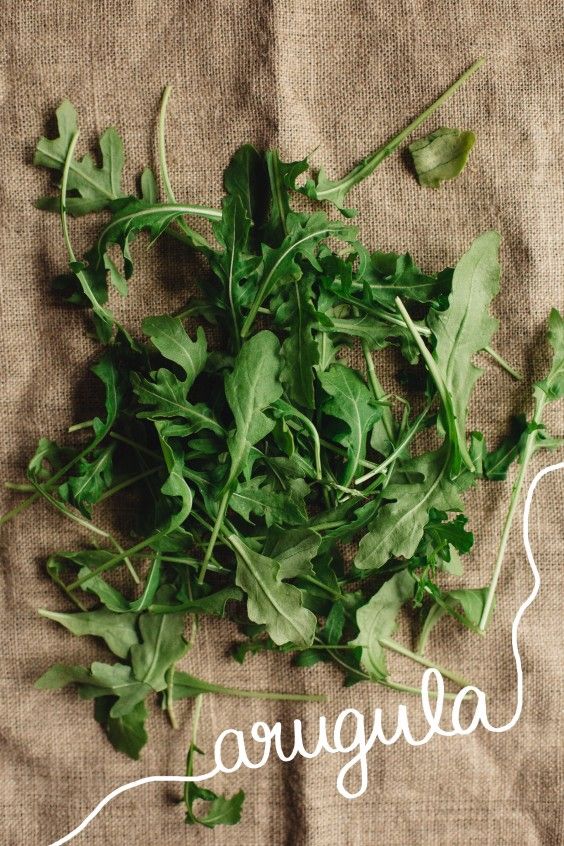
You’ll find this versatile, peppery salad green in some lettuce mixes, but its sharp flavor really makes it a great standalone option when dressed in a punchy vinaigrette
Better yet: You can sauté and chop arugula, just like spinach, and add it to creamy pasta dishes for extra bite. It’s also such a win on flatbreads and pizza. It’sloaded with vitamin K, necessary for strong bones.
Fun fact: Brits and Aussies call arugula “rocket.” Next time you’re at the salad bar go ahead and say, “I’ll have a rocket salad, please.”
Beet greens
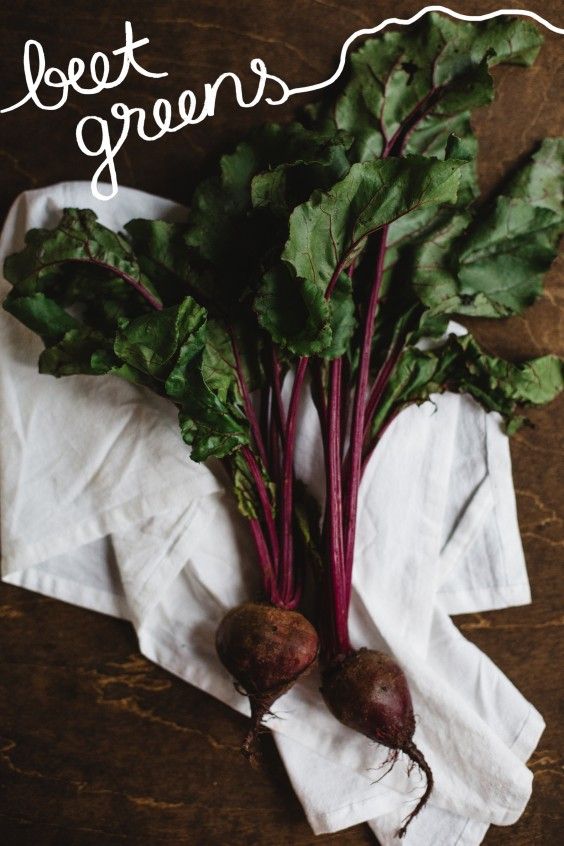
The next time you’re wondering if you should keep those stems? The answer is YES. They look tough, but these greens actually cook to tender pretty quickly, whether you steam or sauté them.
If you want to add more flavor to wilted or raw beet greens, go with a squeeze of citrus, minced raw shallots, or Dijon mustard-based vinaigrette.
Or try this beet risotto with goat cheese and beet greens (that uses one pan!).
Bok choy
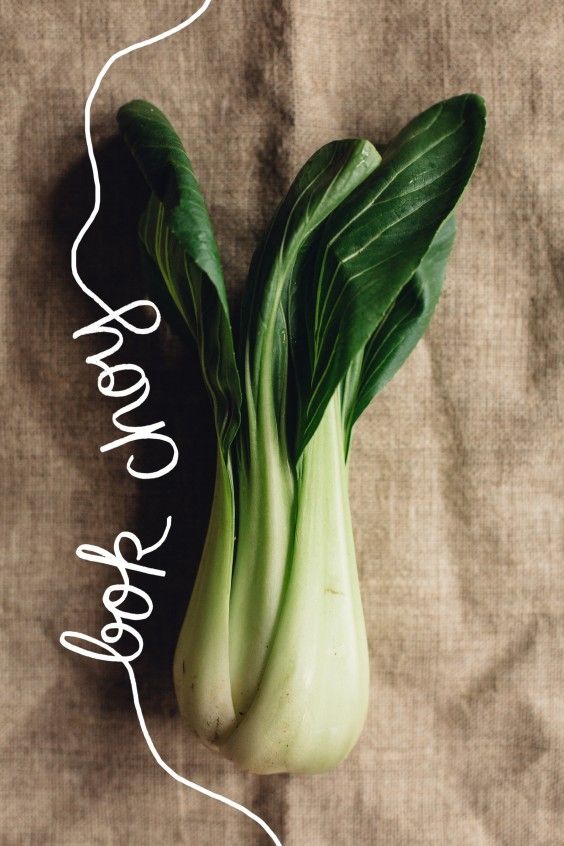
Who doesn’t love adding small baby bok choy to a wok for a better-than-restaurant-quality Asian-style stir-fry? Or check it out grilled.
It’s so mild and tender making it easy to cook down. Plus, with baby bok choy, you don’t need to spend time tearing apart the leaves into bite-size pieces. The stem and leaf can be torn from the base and placed whole into any cooking pan, which will give it a crunchy texture.
If you buy large bok choy, the mom and pop of the bok choy fam, give yourself a little more time to chop into smaller pieces, just like you would with chard or kale.
Cabbage
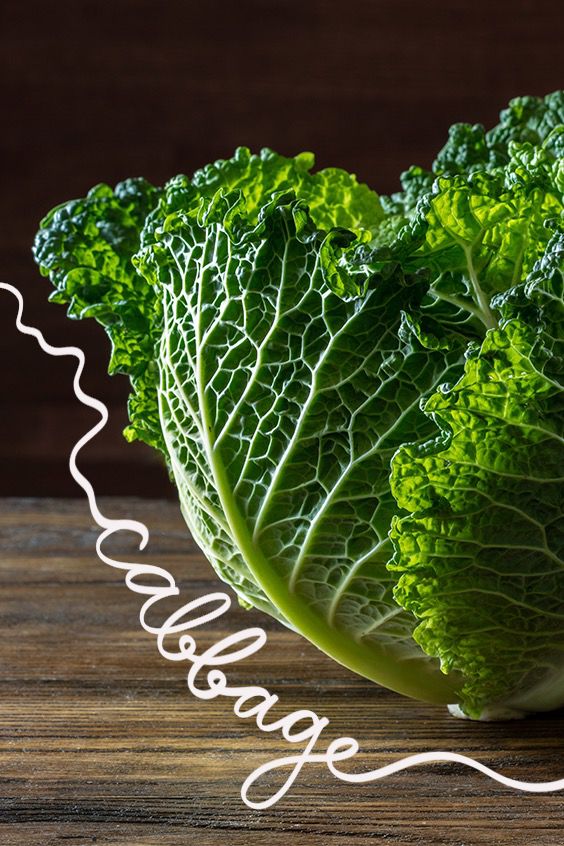
More than just fodder for questionable diet soups, cabbage is a versatile way to pack some density into dishes. Cabbage has long been a staple of diets around the world for its nutrients, availability in winter, and affordability.
Cabbage rocks magnesium, potassium, folate, lots of vitamins, and even sulforaphane, which may help prevent cancer.
Try cabbage in deconstructed egg rolls, ideal for party munching.
Collard greens
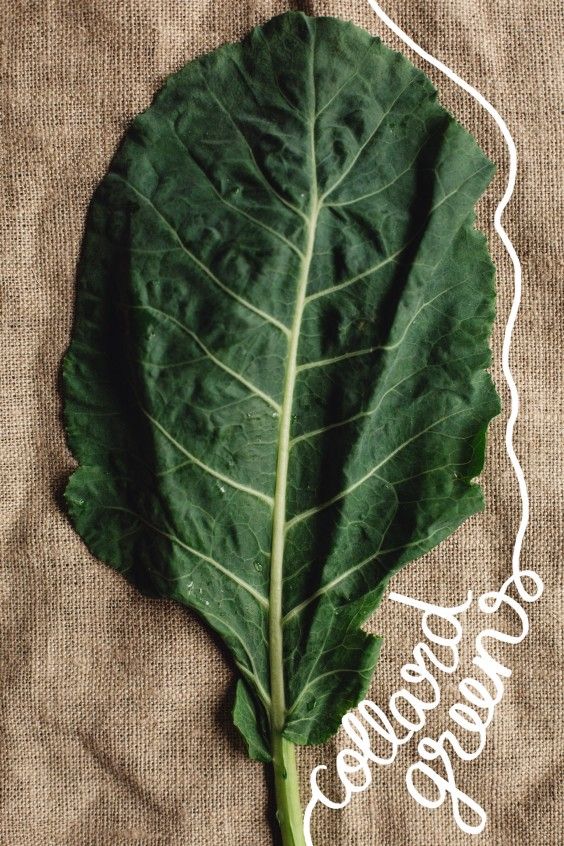
Similar to Mr. Popular (kale) in heft and nutrition, collards have a more assertive, slightly bitter flavor and a chewier texture. They’ve got vitamin A, vitamin C, calcium, and lots of vitamin K going for them, too.
Collards require cooking — braise, steam, or stir-fry — to break down some of the toughness of the leaves, but they’re also amazing for rolling up your favorite sandwich ingredients when you’re going easy on the bread.
Escarole
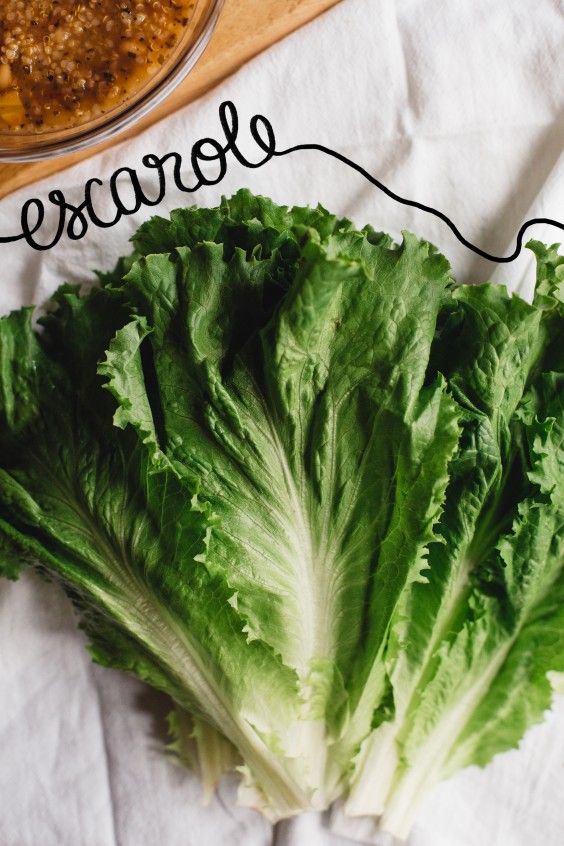
Don’t be fooled: It looks like a dark head of lettuce, but escarole has slightly thicker leaves and a distinctive bite that lends robust flavor to salads.
Escarole sautéed with garlic, olive oil, and cannellini beans is a classic combination, especially in a warm, hearty soup.
Plus, you’ll berolling in fiber — just 2 raw cups delivers 12 percent of your daily recs which is helpful in weight control, wellness, and healthy aging.
Kale
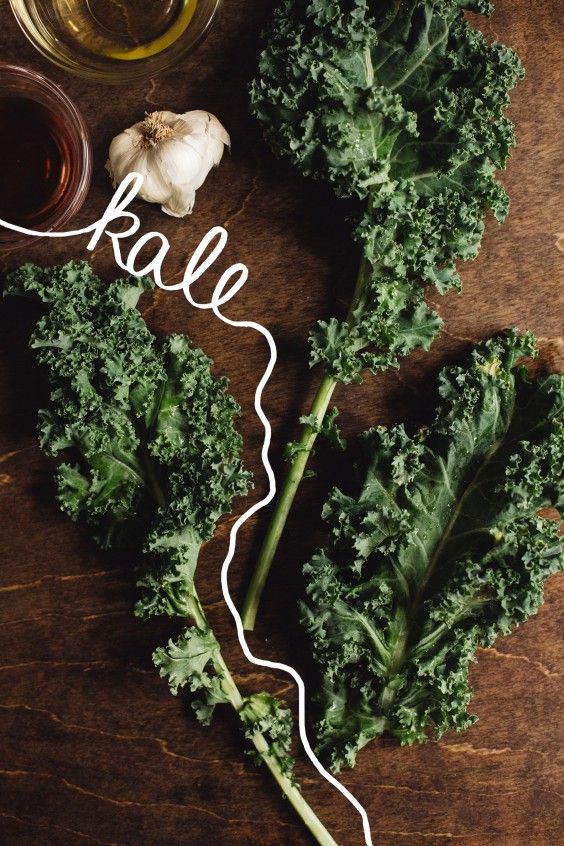
The celebrity of dark, leafy greens, kale has a mildly bitter bite when eaten raw, but the flavor mellows when sautéd with a little olive oil (just be sure to chop it or tear it finely).
Kale is a powerhouse for nutrients and low in calories (like all of these greens!). Think fiber, antioxidants, calcium, and vitamins C and K.
Kale chips (kale leaves tossed with olive oil and roasted at 350 degrees until crispy) will change the way you think about any leafy green. Or try this simple sauté combo: kale + garlic + olive oil + red wine vinegar. Boom, your side dish is ready.
Mustard greens
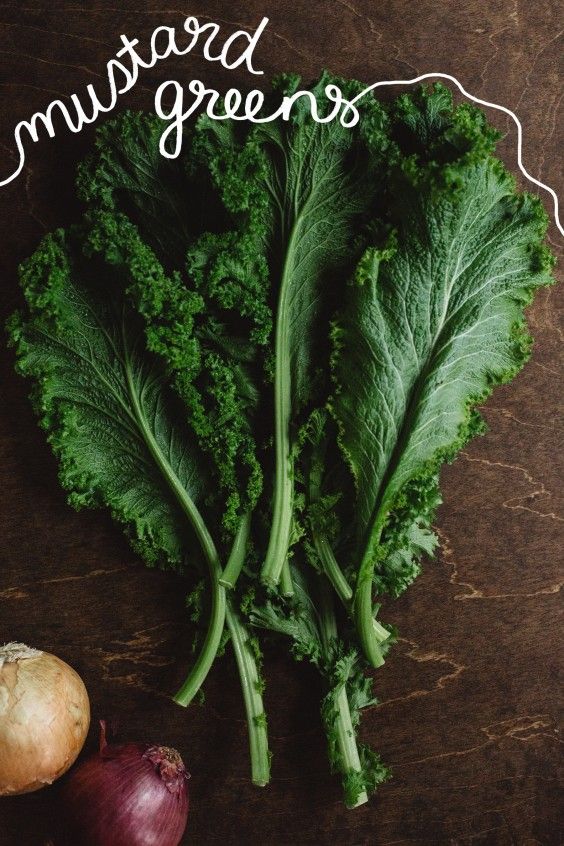
These greens have a spicy, peppery kick that pairs well with acids, such as vinegar or lemon juice, when cooked. They also have a huge boost of antioxidant power in the form of vitamin A.
Asian-inspired accents (soy, sesame oil, garlic, rice vinegar) and Southern flavors (bacon, ham hocks, beans, onions) are also a good… no, a great match.
Romaine lettuce
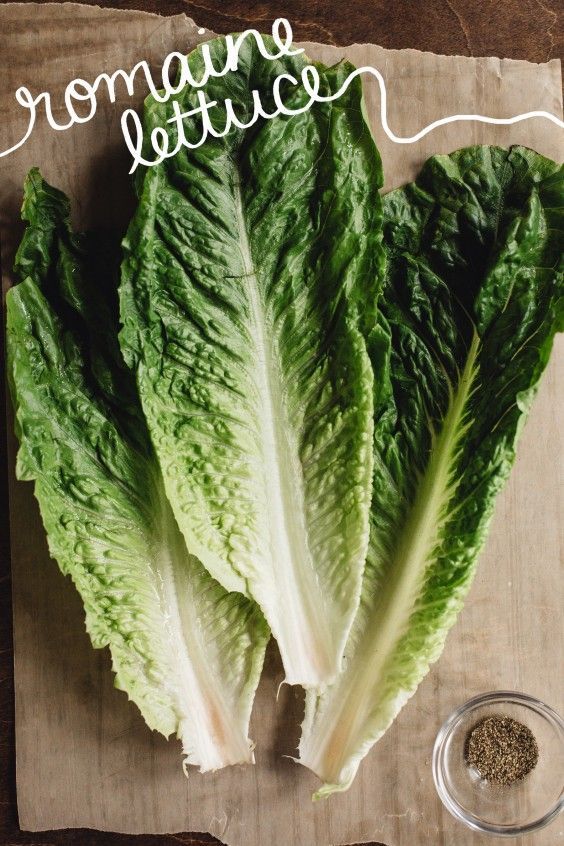
There are umpteen varieties of lettuce, but as a general rule of thumb, the darker and thicker the leaf, the more nutritious it is. (Sorry, iceberg.) Sturdy romaine leaves pack the alphabet in nutrients.
Think beyond the salad bowl and use hearty romaine lettuce leaves to make Korean-style lettuce wraps with stir-fried sesame chicken.
Spinach
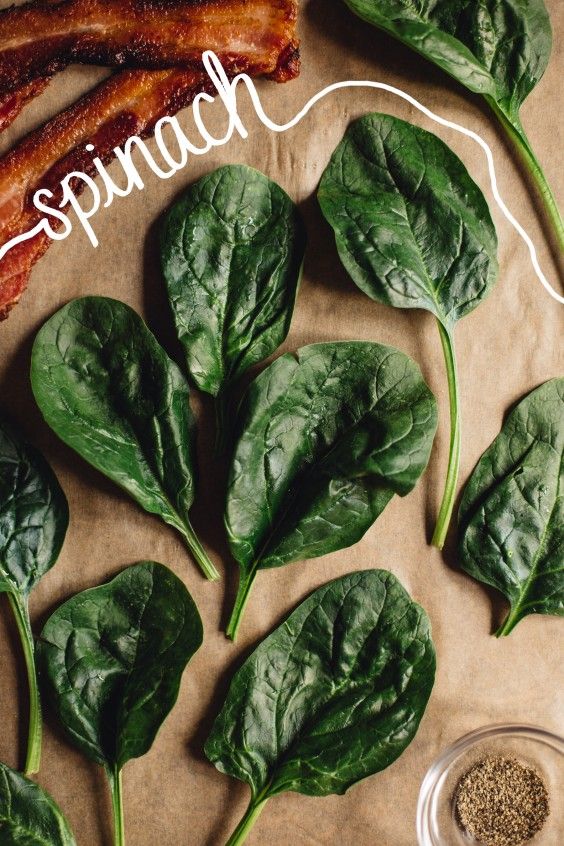
Popeye’s favorite food packs 5.36 grams of protein per cup (cooked), making it one of the most protein-rich veggies out there. Spinach has a mildly bitter flavor that pairs well with accent flavors of bacon, lemon, garlic, black pepper, or sesame seeds.
Don’t be afraid of the fresh spinach bunches. Even though they have a little dirt on them, they’ll probably be more flavorful than the baby leaves in a plastic container (although those are super convenient for green smoothies).
Swiss chard
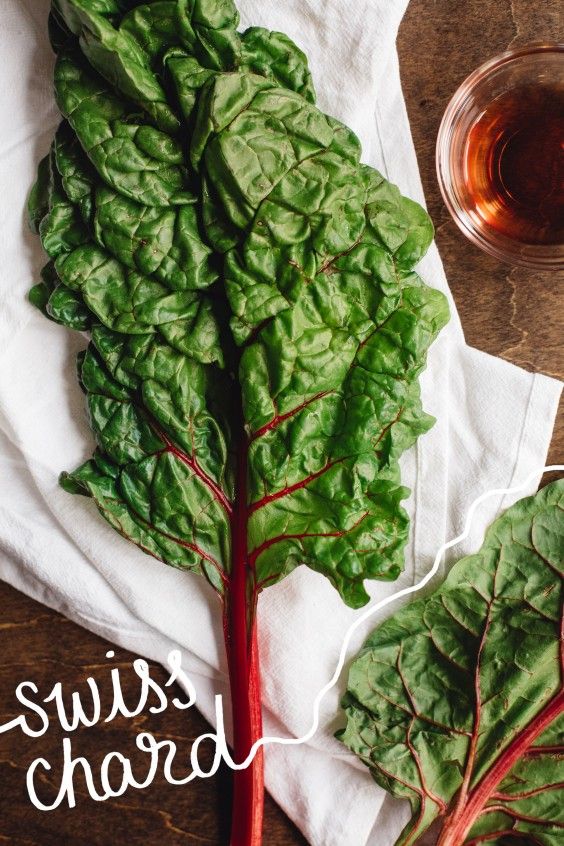
Think of chard as the lighter, more tender cousin of kale — these mild leaves taste similar to beet greens and spinach, and the crunchy, slightly sweet stems might remind you of bok choy.
Don’t discount it on the nutrient front, either. Swiss chard is another antioxidant superhero, fighting free radicals by day and diseases by night.
Like most greens, garlic and chard are a good combination, but you can also punch up the flavor of sautéed or steamed chard with a few dashes of balsamic or red wine vinegar, or dare we say crushed red pepper flakes?
Turnip greens
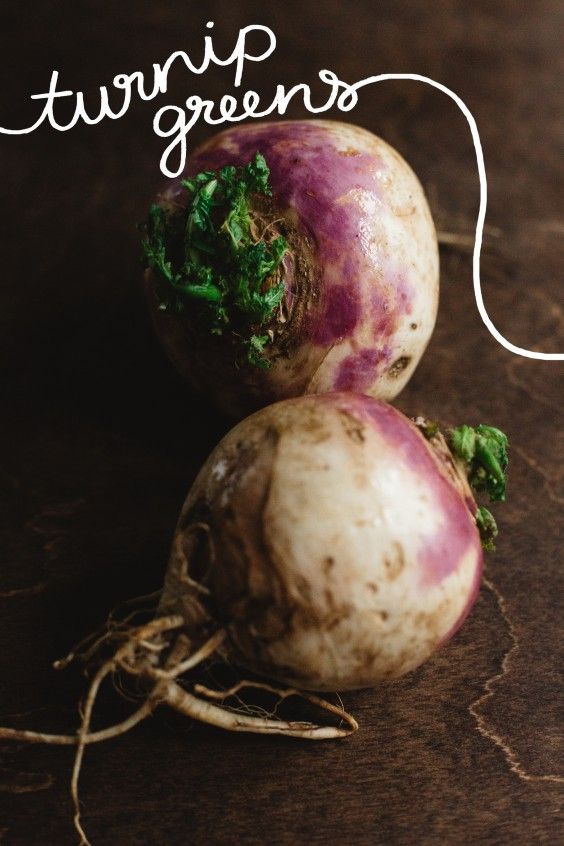
Yes, turnips. (You can eat the greens of almost any root vegetable, including carrots and parsnips). Turnip greens have a slightly peppery bite, giving your taste buds a little more excitement. Cook them with black-eyed peas, ham hocks, onions, or bacon.
FYI: This image shows the turnip greens growing back; eventually they will look similar to the beet greens.
Watercress
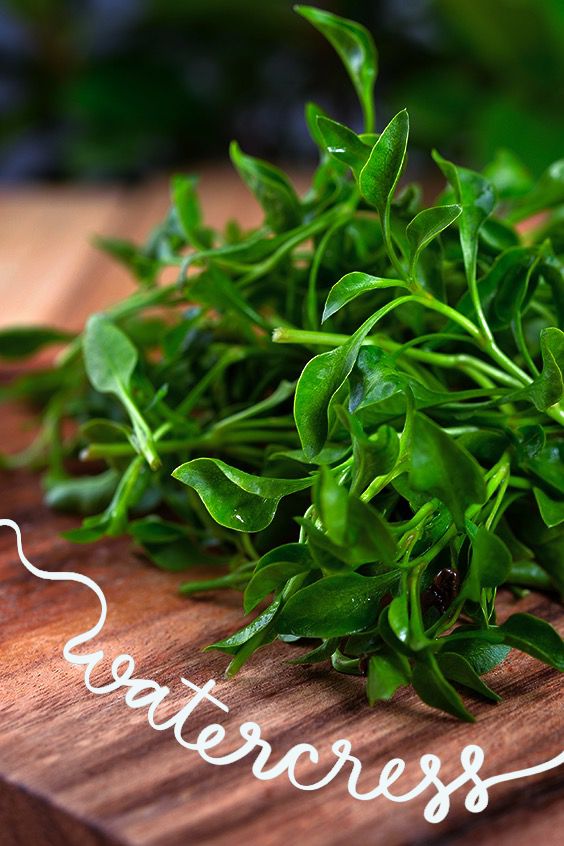
Another peppery, slightly spicy green that needs more love is watercress. The Brits have been pairing this leaf with egg in their famous egg and ‘cress sandwiches for ages. They must be on to something.
Is it healthy? Get ready for this: It was ranked at the top of the U.S. Centers for Disease Control’s Powerhouse Fruits and Vegetables list.
If you’re wanting to get fancy with ‘cress, try a chilled watercress and potato soup or a watermelon salad with goat Cheese, watercress, and mint. We’re ready to serve the red carpet.
When you’re at the market or grocery store, you want to look for fresh greens: crisp, rich in color, and not wilted.
Avoid any bunch with slimy or yellowing or brown leaves: They’ll taste bitter when cooked and also might cause the whole bunch to spoil faster than normal.
Before storing your greens, always remove twist-ties or bands around the stems. The tight packaging can can cause bruising and make the greens wilt faster (not good).
Need more tips? Let’s get down to the nitty-gritty (literally) of storage.
Root vegetable greens
- If you buy a bunch of beet or turnip greens still attached to the root, always remove the greens from the vegetable before storing. If the greens remain attached, the leaves will slurp the moisture out of the root vegetable and make them soft.
- Use these greens within 3 to 5 days of cutting from the root. (The vegetables will last in a cool refrigerator drawer for weeks, but these delicate greens will lose moisture and start to wilt within days.)
Hearty greens
- Hearty, thick greens (think: kale, collards, chard, spinach, mustard greens) should be washed before storing because they often hold more dirt and grit, which you don’t want in your refrigerator. Swish them in water until the water runs clear.
- Dry greens thoroughly — either in a salad spinner or by gently patting dry with a towel — and store them in a zip-top plastic bag with a barely-damp paper towel to keep them fresh.
- These greens should be used within 5 to 7 days of washing.
Lettuce
- Unwashed lettuce greens can be washed — swished around in cool water — before storing or before you use them in a salad.
- If you wash before storing, dry the leaves thoroughly in a spinner or by gently patting dry with a towel. (Too much moisture will cause the leaves to brown and turn slimy faster.)
- Store lettuce in a zip-top plastic bag (or the plastic container they’re packaged in) to keep it fresh for 5 to 7 days.
Don’t make this mistake
Do not store leafy greens in thin grocery store produce bags, which are too porous to hold in moisture and keep greens fresh. We like reusable gallon-size produce bags, reusable produce bags, or airtight storage containers.
If you’re thrifty, you can reuse clean, plastic spring mix lettuce containers a few times. Line with a damp paper towel and layer freshly washed and dried greens in the container.
Lay a clean paper towel on top of the greens to catch any condensation that collects on the lid of the container. To keep the bottom layer from getting smashed, flip the container upside down every day (or so).
- Newsflash: You can eat the tough stems of hearty greens — some are mild, such as chard and kale, and some are punchy, such as mustard and collards. Chop them into smaller pieces to help them cook evenly.
- If you want to remove the stems, fold the leaf in half lengthwise and tear the tough end of the stem away from the leaf.
- Stack several leaves on top of one another and roll for easier chopping.
- If you’re eating the greens raw (especially kale), thinly slice the leaves into ribbons and take a couple minutes to massage the salad dressing or oil into the greens. This softens the texture and the flavor.
- Looking to cook? Slice the leaves into 1-inch pieces for a sauté or stew.
