
The dreaded sweet tooth strikes again. Most of us know that added sugar isn’t good for us, but its risks go way beyond cavities or a few extra pounds. Too much of the sweet stuff can have real impacts on heart health and longevity.
Artificial sweeteners can satisfy a sweet tooth and solve the too-much- sugar conundrum. But they might increase cravings for sweets even more, and make us feel hungrier in general.
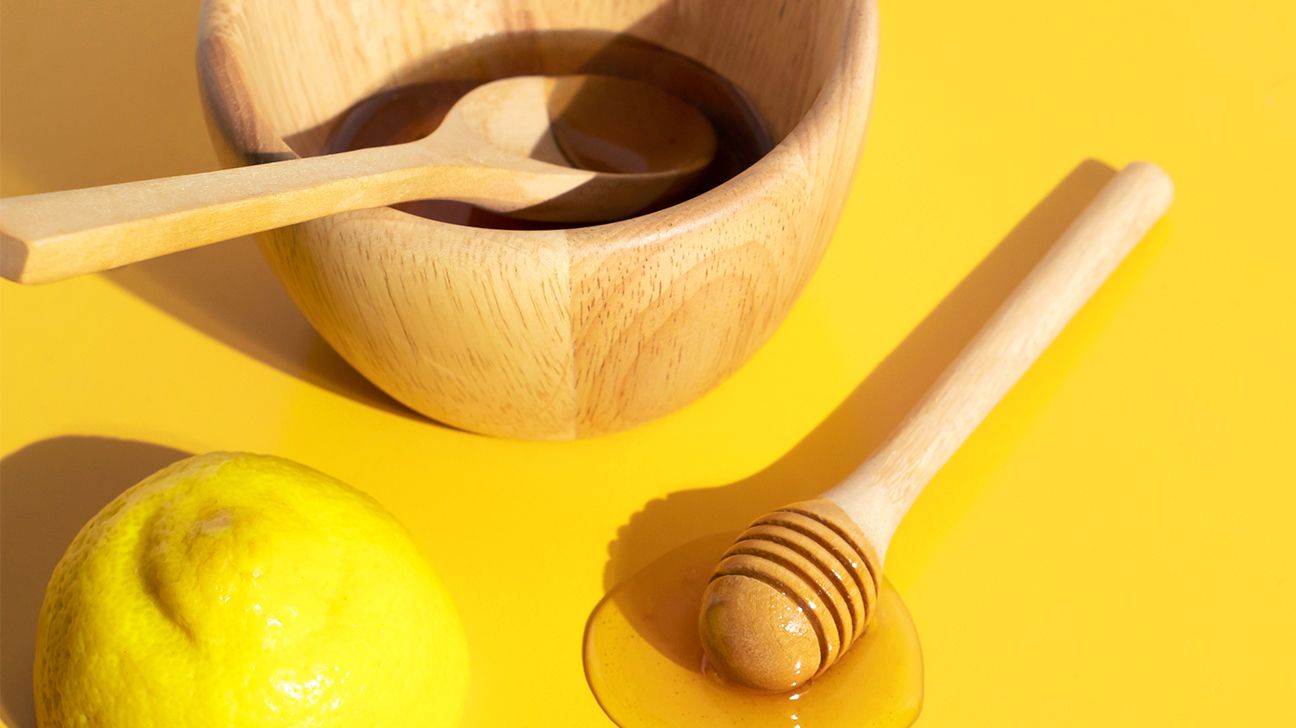
Limiting sugar is the overall goal. But for those who like a sweet treat from time to time, it may be worth trying some of these refined sugar substitutes from more natural and whole food sources.
1. Lemon
We think of lemons as being tart, but some, like Meyer lemons, are surprisingly sweet. Fans of gin can skip the extra sugar in a Tom Collins and add an extra lemon squeeze — we promise no one will notice.
2. Apples
Instead of a half-cup of white sugar in a batch of cookies, swap in an equal amount of applesauce. The natural sweetness of a Golden Delicious or Fuji apple is also perfect on its own as an after-dinner treat.
Apples have the added benefit of adding fiber to the diet.
3. Raisins
Even though these little wrinkled fruits are about 60 percent sugar, they’re low on the glycemic index. That means they won’t cause blood sugar spikes like many other sweet foods.
Blend them in a food processor and add them to baked goods for a boost of antioxidants and fiber. Golden raisins work especially well for this since they taste extra sweet.
4. Cranberries
Reduce the amount of sugar and add cranberries to a batch of muffins or scones. These tart little treats add a dose of antioxidants that refined sugar can’t offer.
5. Dates
With a low to moderate glycemic index and a lot of natural sweetness, dates are ideal for brownie batter or as the base for homemade granola bars. They also contain phytochemicals, natural plant chemicals that may help bring down cholesterol.
6. Grapefruit
Not all grapefruits are created equally tart. The red ones are downright sweet, thanks to their high sugar content. For a daily dose of vitamin C, use grapefruit juice instead of soda in cocktails or tonic water.
7. Coconut sugar
Made from the sap of the coconut palm, this natural sugar has a lower glycemic index than sugar. Plus, it’s a better source of antioxidants, as well as potassium, calcium, and magnesium.
8. Lime
Spruce up a glass of sparkling water with a squeeze of lime. The tart and tangy flavor will keep taste buds satisfied without the sugar rush.
9. Puréed banana
In the next loaf of banana bread, try using extra-ripe bananas and eliminating the sugar. The fruit naturally becomes sweeter as it ripens, so there’s no need for extra sugar. Banana also makes a healthier topping than chocolate chips for frozen yogurt.
10. Apricot puree
Apricots earn a nutritional A+ with vitamin C, fiber, and iron. Make some of this sweet blend right at home. Then mix it into plain Greek yogurt, or enjoy it with hearty whole-grain bread.
11. Agave nectar
History lesson time: The Aztecs used agave thousands of years ago and praised this syrup as a gift from the gods. A derivative of the same plant used to make tequila (cheers!), agave nectar tastes similar to honey and makes a good sweetener for hot or iced tea.
Just be careful to use agave in moderation, like, not so often. It’s high in the simple sugar, fructose. Lots of added fructose in the diet is linked to heart disease, type 2 diabetes, fatty liver, and metabolic syndrome.
12. Maple syrup
Maple syrup has the edge over refined sugar with nutrients like zinc, manganese, calcium, and potassium. It also packs more antioxidants.
Make sure to grab the real stuff, though. Maple-flavored syrups can have tons of refined sugar or high-fructose corn syrup hidden inside the bottle.
13. Honey
Thanks to bees, this scrumptious stuff packs an antioxidant punch. Those healthful components could make honey useful against inflammation, cancer, and other diseases.
A spoonful of honey in hot tea can help soothe a scratchy throat. Or get creative and add a drizzle to homemade salad dressing.
14. Brown rice syrup
Brown rice syrup comes from (you guessed it!) brown rice. Its buttery and nutty flavor makes it perfect for granola bars and baked breads.
Beware, though. Brown rice syrup is slightly more nutritious than sugar, but it’s still high in calories and is meant to be used sparingly.
15. Barley malt extract
Derived from barley, this syrup’s nutty flavor blends well with pecan or pumpkin pie. It’s similar to molasses in taste and texture, and it can enhance the flavor of baked treats.
16. Yacón syrup
A sweetening agent extracted from the South American yacón plant, this molasses-y syrup has hints of apple and just one-third the calories of cane sugar. It’s sweet just like honey, so a little goes a long way in baked goods and raw fruit smoothies.
The type of sugar it contains, fructooligosaccharides, may have positive effects on weight and blood sugar levels.
17. Molasses
What happens when you boil down sugarcane or sugar beet juice? You get molasses! This thick, sweet slurry adds nutrients like iron and calcium and antioxidants to your recipes, which makes cookies healthy, right?
18. Balsamic glaze
Ditch the frosting and instead use a generous drizzle of balsamic glaze to top angel food cake or even Froyo. Simply simmer balsamic vinegar until it cooks down into a thick, sweet syrup.
19. Milk
The natural sugar in milk can add enough sweetness to that morning cup of Joe to skip the teaspoon or two of sugar. Anyone who’s vegan or lactose-intolerant can use soy, almond, or oat milk instead.
20. Frozen juice concentrate
Use apple juice concentrate instead of sugar in homemade apple pie. Measure out 3/4 cup of juice to replace one cup of sugar. The concentrate yields similar sweetness yet fewer calories.
21. Fresh-squeezed orange juice
Orange juice also makes a good substitute for sugar, especially in homemade breads and cakes. It provides a hint of citrus, plus some vitamin C.
Looking for a cool treat? Freeze some all-natural juice in an ice-pop mold, rather than buying the premade (and often artificially colored) pops in the supermarket freezer section.
22. Club soda and lime juice
Sparkling water and club soda are hydrating and calorie-free, but they’re also lacking in flavor. Spritz in some lemon or lime juice for a soda alternative that cuts back big time on sugar and calories.
23. Rum
No one said alcohol has to be consumed in a glass over ice. Caramelize a few slices of pineapple in rum and add them to pancakes or unsweetened yogurt. The alcohol will cook off, so no worries about getting drunk on dessert.
24. Stevia
This sugar substitute comes from a plant in South America, where it’s been used as a sweetener for hundreds of years. With zero calories and a taste that’s up to 350 times sweeter than sugar, stevia is a good choice for anyone with a sweet tooth who’s trying to curb calories.
25. Cinnamon
Cinnamon adds oomph to that morning cup of coffee without loading it up with extra calories. This super spice adds subtle sweetness while boosting immunity.
26. Monk fruit sweetener
This sweetener is extracted from a fruit that grows in Southeast Asia. It’s calorie-free and much sweeter than sugar. Plus, it may have a less dramatic effect on blood glucose and insulin levels than refined sugar does.
27. Xylitol
This sugar alcohol is every bit as sweet as regular sugar, but with fewer calories and less blood sugar spikes. Xylitol has earned a reputation for preventing cavities, which is why it’s on the ingredient list of many sugarless gums and mints.
Just be careful not to overdo it. Xylitol can affect the gut. Eating too much of this sweetener could lead to a nasty bout of gas, bloating, and diarrhea.
28. Rapadura
This sweet treat’s made from sugarcane, but it skips the refining stage. That means it retains the vitamins and minerals that are typically lost when white sugar is processed.
Keep the one-to-one ratio when swapping rapadura for sugar in baked goods.
29. Sucanat
Introducing sugar in its most natural state. Sucanat is a tricky acronym that stands for SUgar CAne NATural. This sweetener is made from organic cane sugar. It sneaks in nutrients (iron, calcium, and potassium) that white sugar lacks.
30. Erythritol
At 0.2 calories per gram, this sugar alcohol contains a fraction of the calories in white sugar. Plus, it doesn’t lead to tooth decay and other not-so-sweet effects of sugar consumption.
Because the body isn’t able to break down erythritol, it mainly passes into the urine untouched. That means it shouldn’t touch blood sugar and insulin levels.
When it comes to sweetening everything from coffee to baked goods, sugar isn’t the only game in town. There are lots of sugar substitutes with fewer calories and less effect on blood sugar.
Also keep in mind that sugar, no matter what form it takes, is best when enjoyed in moderation.
