
Hummus is an iconic condiment. People around the globe love it for its fab flavor and smooth texture. There’s no doubt that hummus is tasty, but is it healthy? Spoiler: It is!
Here’s a deep dive into the nutritional perks of this dope dip. We also have the deets on how to make a 10/10 hummus at home.
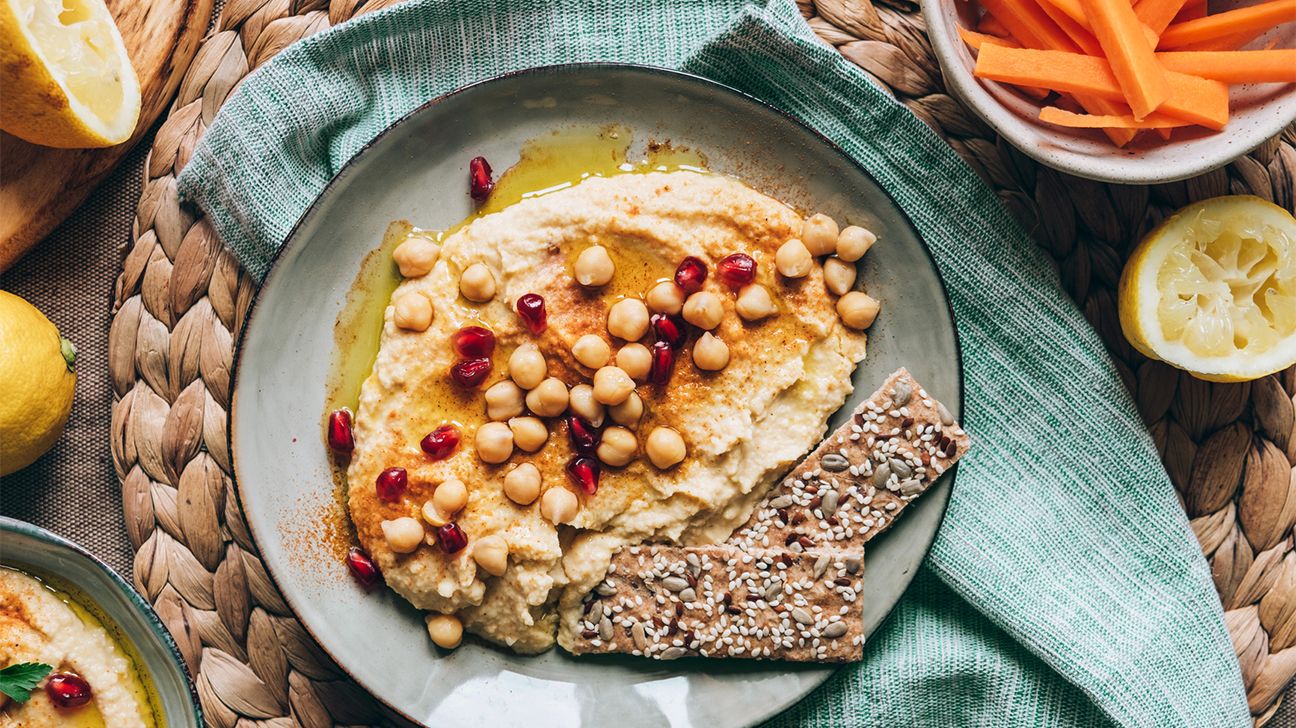
Hummus nutrition depends on the ingredients used. The classic recipe calls for chickpeas, olive oil, tahini, lemon juice, and garlic. But there’s a ton of different hummus brands and flavors out there, including sweet and savory types.
To keep things simple, here’s the nutrition info for a 1/4-cup serving of basic homemade hummus:
- Calories: 108
- Fat: 5.25 grams (g)
- Protein: 3 g
- Carbs: 12.25 g
- Fiber: 2.46 g
- Folate: 9% of the Daily Value (DV)
- Iron: 5% of the DV
- Magnesium: 4% of the DV
- Copper: 15% of the DV
- Phosphorus: 5% of the DV
- Zinc: 6% of the DV
- Manganese: 15% of the DV
Hummus is generally quite nutritious. It provides healthy fats from olive oil and tahini, along with plant-based protein, fiber, vitamins, and minerals. You can bump up the nutrients even more by adding ingredients like roasted red peppers, fresh herbs, or roasted beets.
PSA: Dessert hummus (yes, that’s a thing) is typically higher in sugar, so it might not be your best bet if you want to avoid sweet stuff.
In addition to its nutritional perks, hummus may provide a few health benefits. Here’s the scoop.
1. Plant-based protein
Getting enough protein on the reg is really important for your overall health. Protein is essential for immune function, hormone synthesis, and many other critical functions. It also gives structure and support to your cells.
Chickpeas (aka garbanzo beans), the star ingredient of hummus, are an excellent source of plant-based protein. Tahini — a condiment made from sesame seeds — also pumps up the protein content.
While hummus is a great addition to any diet, it can be especially important for peeps on plant-based diets. Vegetarians and vegans can use hummus as a protein-packed meat replacement. Since protein is the most satiating macronutrient, this can help make your dishes much more filling.
Scoop some hummus onto your next salad or sammie to boost the protein content and to add a delish creamy texture.
2. Provides fiber
Many factors impact the health of your gut, including stress, lack of sleep, and dehydration. But diet is one of the most important ways you can help your digestive system stay happy and healthy.
Fiber is a nutrient that contributes to gut health by fueling beneficial bacteria and keeping your bowel movements regular.
Plus, research suggests that following a high fiber diet is linked to improved heart health and a reduced risk of conditions such as type 2 diabetes and colon cancer.
The fiber in chickpeas is mostly soluble fiber, which may help improve certain heart disease risk factors, such as high LDL (“bad”) cholesterol and high blood sugar levels.
3. May benefit heart health
Hummus is chock-full of heart-protective ingredients like chickpeas, olive oil, and garlic. Hummus and chickpeas are an important part of Mediterranean-type diets, which research has consistently linked to reductions in heart disease risk.
Many studies have found that a diet high in olive oil benefits heart health. In fact, a 2022 analysis that included data on more than 92,000 people found that those who consumed high amounts of olive oil were 19 percent less likely to die from heart disease than those who rarely or never consumed olive oil.
That’s because this delish oil contains monounsaturated fats, phenolic antioxidants, and other compounds that may help improve inflammation and blood vessel function and protect against oxidative damage.
If you’re a fan of extra-garlicky hummus, you’ll be happy to know that your love of garlic is actually great for your ticker. Studies suggest that eating garlic regularly may benefit heart health by protecting against cellular damage and inflammation and promoting healthy blood pressure and blood lipid levels.
And let’s not forget about the humble chickpea. Studies indicate that a diet rich in legumes such as chickpeas may help decrease heart disease risk by lowering LDL cholesterol levels and improving blood sugar regulation. Score!
4. Can help keep you feeling full
If you find yourself getting hangry, you may want to take a look at the composition of your meals and snacks. Adding a source of protein, fat, and fiber to meals and snacks can help keep you feeling satisfied and energized until your next nosh.
Hummus contains protein, fiber, and fat, so it’s a great addition to any meal. To boost the satisfaction factor of your meal even more, try combining hummus with other filling foods.
Pro tip: You can make a bento box with a dollop of hummus, fresh veggies, hard-boiled eggs, and nuts.
5. A good source of vitamins and minerals
Hummus is a solid source of certain vital vitamins and minerals. It’s especially high in folate, manganese, and copper.
Folate plays an important role in fetal growth and development, so it’s especially important during pregnancy. Pickles and hummus, anyone? (Don’t yuck our yum, OK?)
Your body needs manganese and copper for the function of enzymes responsible for everything from carbohydrate metabolism to neurotransmitter production.
Hummus also contains smaller amounts of iron, zinc, magnesium, and other nutrients essential to health.
A 2020 study found that the bioavailability of iron was higher in hummus than in cooked chickpeas. That means your body can absorb and use the iron from hummus more easily. This is because hummus contains ingredients that naturally boost iron bioavailability, including lemon juice and tahini.
One of the best things about hummus is that it’s super easy to make. Here’s how to DIY a delish hummus at home.
Ingredients
- 1 cup (8 ounces) dried chickpeas
- 1 teaspoon baking soda
- 1/3 cup tahini
- 2 tablespoons fresh lemon juice
- 1 1/2 tablespoons olive oil
- 3–4 garlic cloves, finely diced or crushed
- 1/2–3/4 teaspoon salt (depending on your taste prefs)
Instructions
- Soak chickpeas in cool water for at least 6 hours or overnight.
- Drain and rinse chickpeas, transfer them to a pot, and add enough water to cover them by an inch or two.
- Stir in baking soda.
- Bring mixture to a boil.
- Reduce heat and simmer for about 1 hour, or until chickpeas are tender.
- Drain chickpeas, then transfer to a food processor, add all remaining ingredients, and process until smooth.
- Feeling fancy? Top your hummus with chopped fresh herbs or a little extra olive oil before serving.
BTW, you can totes play around with the flavor and texture of your hummus by adding more or less lemon juice, olive oil, tahini, or salt. You can also make it your own by adding ingredients like dried or fresh herbs, sun-dried tomatoes, and just about any other savory ingredient your heart desires.
How to serve hummus
Hummus is hella versatile. You can serve it with fresh cut-up veggies, pita chips, crackers, crusty bread, or any other snack food you have lying around. It’s also delish AF on salads or sandwiches.
How to buy hummus
If homemade hummus isn’t your thing, you’re still in luck! There are plenty of tasty hummus products to choose from at the store. But it’s important to make sure you pick a high quality product.
Some commercially made hummus can be very high in added salt and contain ingredients like canola oil, soybean oil, thickeners, added sugar, and other additives that might not be your thing. That’s why you should def double-check the ingredient label before you get your snack on.
Hummus is a tasty condiment that provides several important nutrients, including fiber, protein, and healthy fats. It also offers some vitamins and minerals that support your overall health.
It’s a good source of protein that can help keep you satisfied between meals. Oh, and the fiber content might support heart health and reduce the risk of certain health conditions.
You can find a top-notch hummus at your local grocery store. But you can also whip up a homemade batch with a few simple ingredients.
