
Greatist News examines and explains the trends and studies making headlines in fitness, health, and happiness. Check out all the news here.
A calorie is a calorie is a calorie, right? It may be time to play skeptic when it comes to checking nutrition labels. Earlier this week, researchers at a symposium from the American Association for the Advancement of Science (AAAS) argued the system we currently use to estimate calories in food has some significant inaccuracies, causing both higher and lower miscalculations. And those shoddy statistics may have a huge impact on what we think we’re eating versus what our bodies actually process.
What’s the Deal?
Researchers presenting at Monday’s AAAS conferencein Boston referenced a variety of factors that throw off modern estimations for calories, a measure of energy the body gets from food. First, it helps to break down where calories come from. The current system for measuring calories, called the Atwater System, assigns a calorie value to each gram of a particular macronutrient (4 calories per gram for protein, 4 for carbs, and for fat). Add those numbers up and you’ve got the total calorie count for a particular food item. But that system, the speakers argued, can grossly oversimplify how the body processes different foods.
Among other faulty guidelines, Atwater calculations may significantly underrepresent calories from fiber in common foods. Discrepancies between raw and cooked food are also ignored when creating most of today’s calorie counts, even though many cooked items are easier to digest and thus yield more calories for the body to use. Harvard’s Richard Wrangham, a speaker at the event, called for increasing research into the effect of processing on food, citing how current standards over-estimate how much energy we can actually derive from minimally processed and raw foods. Point being: It’s not just the components of foods that contribute to their actual calorie content, but also the methods used to prepare them before they reach our digestive systems.
Is It Legit?
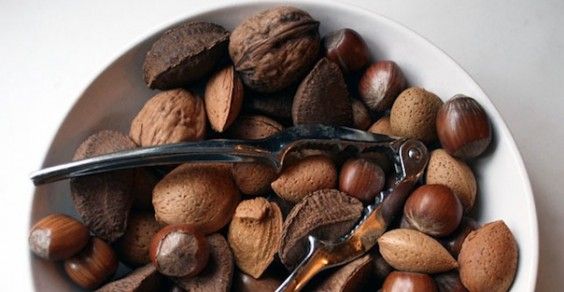
Yep, and we’ve covered related topics before. A few months ago, researchers suggested the calorie counts of many nuts were overestimated because chewing doesn’t break down all their cell walls, so the body doesn’t end up digesting the entire nut. While some people — like author Gary Taubes — argue there’s more to weight than just calories in versus calories out, fixing the estimation standards can do everyone a lot of good by providing more accurate profiles for the food we eat. But while we’re waiting for better calorie counts, it’s probably still best to keep tabs on how different foods affect us as individuals. All those extra calories won’t mean anything if what we eat makes us feel like sloths.
Do you count calories? Let us know in the comments below or tweet the author @d_tao.
