It’s a bit of a rarity these days, but sometimes big questions do have simple answers. For example: What is the difference between beef and Angus beef? Easy: The breed of cattle.
Seriously. “Angus” merely refers to beef that comes from the Aberdeen Angus cow. Originally from Scotland, it’s a sturdier breed that grew popular among farmers thanks to its ability to produce meat with a higher marbling content (a.k.a., those white lines of fat that make your meat taste so good.)
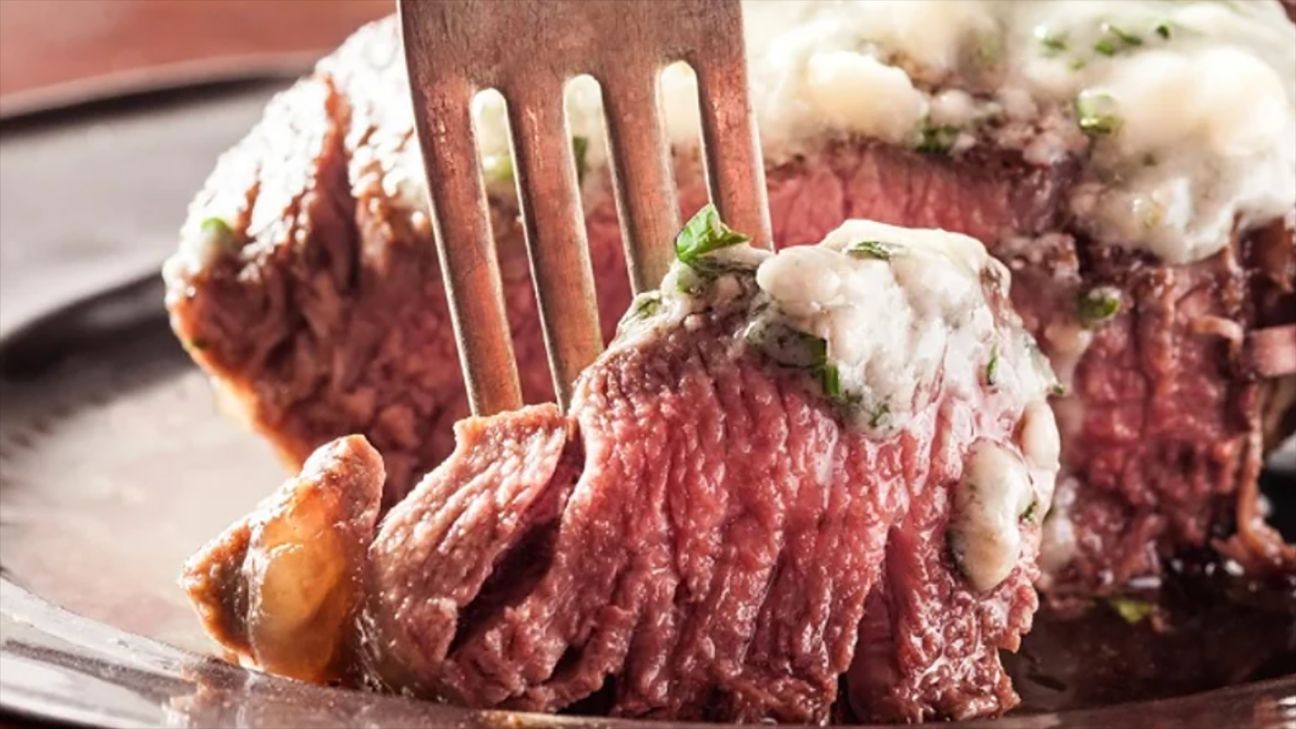
If you’re thinking, “Whoa, that’s it? I thought it also meant something about the superiority of the beef,” trust me, you’re not alone. And we can thank the cunning of the food industry marketing machine for that. (Sort of like how Japanese wagyu refers to any beef from Japanese cattle while kobe beef refers to something rarer—but that’s a whole separate issue.)
“There are many different beef products with ‘Angus’ labels in the market today, but the Angus name itself is not necessarily an indication of highest quality,” explains Michael Ollier, the senior corporate chef for Certified Angus Beef. “Identifying beef as ‘Angus’ has become a popular way to imply quality, but it’s also important to understand grades of beef.”
Instead of basing your purchase on a common and attention-grabbing label like the word “Angus,” Ollier recommends instead that shoppers look for the USDA grade as the indicator of quality. “These are assessments of beef quality that are completely separate from Angus or other breed identifications and help to ‘rank’ beef’s quality. The grades you’re likely to see are Prime (the very best), then Choice, then Select. Like other quality requirements, Angus labels may align with specific USDA quality grades, or not.”
You may also want to pay attention to things like how the meat was raised (grass-fed beef vs corn-fed, for instance, or whether any antibiotics were used).
Another key tip is to familiarize yourself with the brands of Angus beef. Certified Angus Beef, for example, must meet 10 strict quality standards for “marbling, flavor, tenderness, appearance, sizing, and more.”
Per Ollier, “The signature logo is an easy way for consumers to know that it’s Angus beef that truly is a cut above.” Because it has to meet the 10 quality standards to qualify for the brand, Certified Angus Beef always represents the top end of the USDA spectrum, between Choice and Prime. Still, he points out that while other products labeled “Angus” may not have to meet any other qualifications beyond coming from that band of cattle, it may or may not be better than branded beef.
Now that you’ve beefed up on all the info, it’s about time to get cooking already. Here are nine favorite beef recipes to check out.
Juicy Lucy Burger
Layering slices of cheese on a burger is great and all, but any true cheeseburger aficionado knows that the pinnacle of the form is the almighty Juicy Lucy. For the uninitiated, that’s where you sandwich a stack of American cheese between two seasoned ground beef patties to create a thick patty with a gooey, melty, oozy hot cheese core. Get our Juicy Lucy Burger recipe.
Grilled Rib-Eyes with Chile-Lime-Tequila Butter
Grilling up a couple steaks with cocktail in hand is one of the great pleasures of the summer season. Of course, the steak and booze equation also works when you’re using your spirit of choice to season the meat. Bourbon makes a fine base for a flank steak marinade, for example, or if you didn’t get burned by it in college and still have love for tequila, there’s always this recipe for grilled rib-eyes smothered in a punchy tequila-lime compound butter. Get our Grilled Rib-Eyes with Chile-Lime-Tequila Butter recipe.
Korean Short Rib Kebabs
Inspired by the flavor profile of Korean kalbi, these thin strips of boneless short rib—seasoned with soy, mirin, brown sugar, garlic, and Sriracha—are a great alternative to a more traditional beef and veggie shish kebab and the perfect centerpiece to a backyard Korean BBQ feast. Get our Korean Short Rib Kebabs recipe.
Steak and Eggs Benedict with Bearnaise Sauce
We’ve all been there: out at brunch and totally torn between two delicious sounding options. Do you keep it classic with eggs benedict, or do you go the hearty, traditional steak and eggs route? Well, here’s some good news. If you opt to brunch at home, this recipe allows you to get both in one dish. Get our Steak and Eggs Benedict with Bearnaise Sauce recipe.
Beef Empanadas
Ground beef may not be the most exciting cut at the butcher counter, but you’ve gotta love its versatility. It’s best-known for burgers, of course, but it’s equally essential in such favorites as smoky chili, spaghetti and meatballs, and shepherd’s pie. Point is, while the cut may be basic, the dishes it’s used in are far from boring. Just take these classic Argentinian beef empanadas for example: Ground beef is mixed with cumin, pimento-stuffed green olives, currants, bell pepper, and honey to create a delectable sweet-savory stuffing for the buttery, flaky pastry pockets. Get our Beef Empanadas recipe.
Smoky-Sweet BBQ Beef Short Ribs
If you feel like taking a break from the beloved pork baby back ribs this grilling season, why not try swapping some beef short ribs into the rotation. Covered in a sweet-spicy rub and slathered with smoky chipotle barbecue sauce, the key to these fall-off-the-bone-tender ribs is that they’re roasted in the oven first before hitting the grill to caramelize the crust of the meat. Get our Smoky-Sweet BBQ Beef Short Ribs recipe.
Chipotle Beef Tacos with Caramelized Onions
Taco-bout a craveworthy dish: slices of grilled flank steak that have been basted with chiles in adobo sauce and sweet caramelized onions wrapped in a warm corn tortilla. Enough said. Get our Chipotle Beef Tacos with Caramelized Onions recipe.
Classic Steak Tartare
For those looking to recreate that classic French bistro experience at home, there may be no more iconic dish than steak tartare. Because you’re working with uncooked meat here, just remember the quality of the beef is of the utmost importance: Tell the butcher what you’re preparing so they can recommend the best cut. We like to use USDA prime tenderloin in this case. (Of course, if you want to keep the French bistro theme but aren’t really into the whole chopped raw beef thing, you could always go for a nice steak au poivre.) Lean how to make steak tartare.
Red Curry Sloppy Bahn Mi Sandwich
No disrespect to that beloved, classic Americana sandwich, the sloppy joe—I’m literally transported back to summer camp just thinking about it—but sometimes it’s fun (and tasty) to break with tradition. Here, the average Joe takes a detour through Vietnam and gets a bahn mi makeover: Red curry, lime, and coconut season the ground beef, fresh crunchy veggies like carrot and jicama serve as garnish, and the usual soft bun is swapped out in favor of crusty French bread. Get our Red Curry Sloppy Bahn Mi Sandwich recipe.
